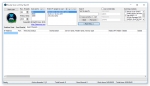
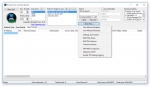
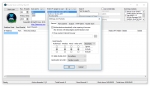
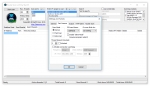
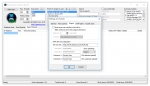
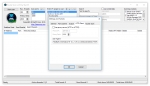
Router Scan - многофункциональная программа для обнаружения уязвимостей в роутерах.
Интуитивно понятный интерфейс программы.
Произведение сканирования в два клика.
Поддержка всех wi-fi стандартов.
The book wisely includes the voices of Norman villagers. For them, the sea "coming alive" sounded like the end of the world. One old woman, interviewed in the 1980s, remembered the pre-dawn silence being shattered by a roar "louder than the tide at its peak." She thought the English Channel had risen up to swallow the devil.
is a comprehensive oral history of D-Day written by historian Garrett M. Graff. Released for the 80th anniversary of the invasion in 2024, the book chronicles the Allied landing at Normandy through the firsthand accounts of those who lived it. Origin of the Title
When The Sea Came Alive resets the clock. By using oral history, Graff forces the reader into the . When The Sea Came Alive
is a seminal work by Pulitzer Prize finalist Garrett M. Graff that provides a comprehensive, multi-perspective account of the June 6, 1944 invasion of Normandy. Published in 2024 to coincide with the 80th anniversary of the operation, the book weaves together hundreds of firsthand accounts from Allied soldiers, German defenders, French civilians, and high-ranking officials to recreate the "most crucial day of the 20th century". The Vision Behind the Title
The title is drawn from the visceral reaction of a young stationed in a bunker overlooking the coast. Upon waking to the sight of the massive Allied armada—the largest seaborne invasion in history—he described the horizon as if the sea itself had come alive with ships. Core Themes and Content The book wisely includes the voices of Norman villagers
In this article, we will dive deep into the themes, the voices, and the historical gravity of When The Sea Came Alive , exploring why this oral history format is the most visceral way to understand the Normandy landings 80 years later.
Perhaps the most haunting voices belong to the medics. They weren't fighting Germans; they were fighting the tide. One medic recalls dragging a wounded soldier to the shore, only to have the "living sea" lift the body off his stretcher and carry it back out. "The sea took him before I could," he said. "It was hungry." is a comprehensive oral history of D-Day written
In one devastating passage, a soldier steps off the ramp into water over his head. He watches the man in front of him simply vanish—not shot, not blown up, but pulled under by the current. The sea, indifferent to the politics of the war, claimed him as its own.
If you are interested in the oral histories of WWII, "When The Sea Came Alive" by Garrett M. Graff is available wherever books are sold. It stands as a definitive chronicle of courage, chaos, and the cold, living water that carried democracy to Europe’s doorstep.
The title itself is a paradox. To the casual observer, the sea is eternal, rhythmic, indifferent. How can an ocean be "alive"? Yet for the 156,000 Allied soldiers who crossed the English Channel on June 6, 1944, the sea was not a geographic feature; it was a breathing, vomiting, roaring beast.
Благодаря вам определил бреж в безопасности!
Александр, Москва
Спасибо, удобная программа для взлома пароля!
Алексей, Москва
Router Scan - это многофункциональная программа для обнаружения уязвимостей в роутерах!